
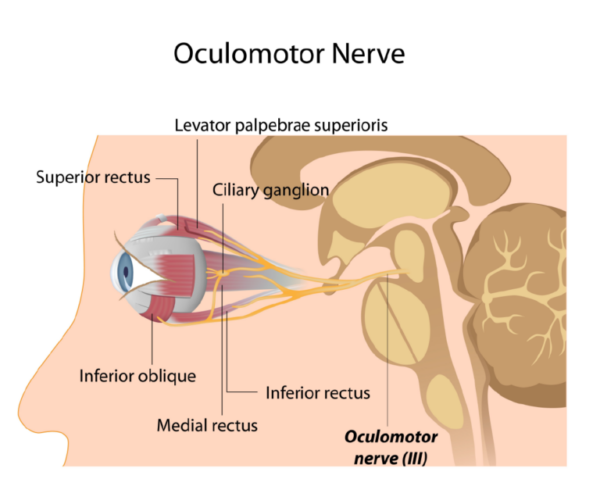
Vision therapy (sometimes called vision training or visual rehabilitation) is “physical therapy for the visual system”—training the eyes and brain to work together more effectively.
What Is Vision Therapy?
Vision therapy is a series of guided exercises and activities that help correct problems with:
- Eye alignment
- Eye coordination
- Focusing ability
- Visual tracking and processing
It goes beyond just seeing clearly (like glasses do) and instead focuses on how efficiently your visual system functions.
How It Works?
Vision therapy trains the connection between the eyes and the brain.
Programs typically include:
- Eye exercises (in-office or at home)
- Specialized equipment or digital tools
- Interactive activities or software
- In some cases, wearable or AI-driven technologies
The goal is to retrain the visual system, much like physical therapy retrains muscles.
Conditions It Can Treat
Strabismus (Eye Misalignment) – Helps train the eyes to align and work together.
Amblyopia (“Lazy Eye”) – Improves vision in the weaker eye and strengthens coordination.
Eye Tracking & Focusing Problems – Improves reading, concentration, and visual comfort.
Neurological Conditions
Can support recovery in:
- Traumatic Brain Injury (TBI)
- Concussion-related vision issues
Visual processing disorders

Modern Vision Therapy (Where PinpointEyes Fits)
Traditional vision therapy relied heavily on manual exercises. Today, it is evolving into technology-driven care, including:
- AI-based eye tracking
- Smartphone diagnostics
- Wearable intelligent glasses
- Real-time monitoring and adaptive treatment
This shift allows for:
- More precise measurements
- Personalized therapy
- Better patient compliance
- Scalable and remote care